v1.0.130
Gen AI Application Monitoring
Causely now models Gen AI applications as first-class entities, giving you visibility into how your services interact with LLMs and how data flows through those interactions. You can see which HTTP paths or RPC methods on which service are calling which models, track inference duration, error rates, and token throughput per model, and understand degradation in AI-powered features the same way you would any other service. This release also extends the Causal Model with two new root causes, AI Model Congestion and AI Model Malfunction, enabling deterministic diagnosis of Gen AI performance issues without manual investigation.
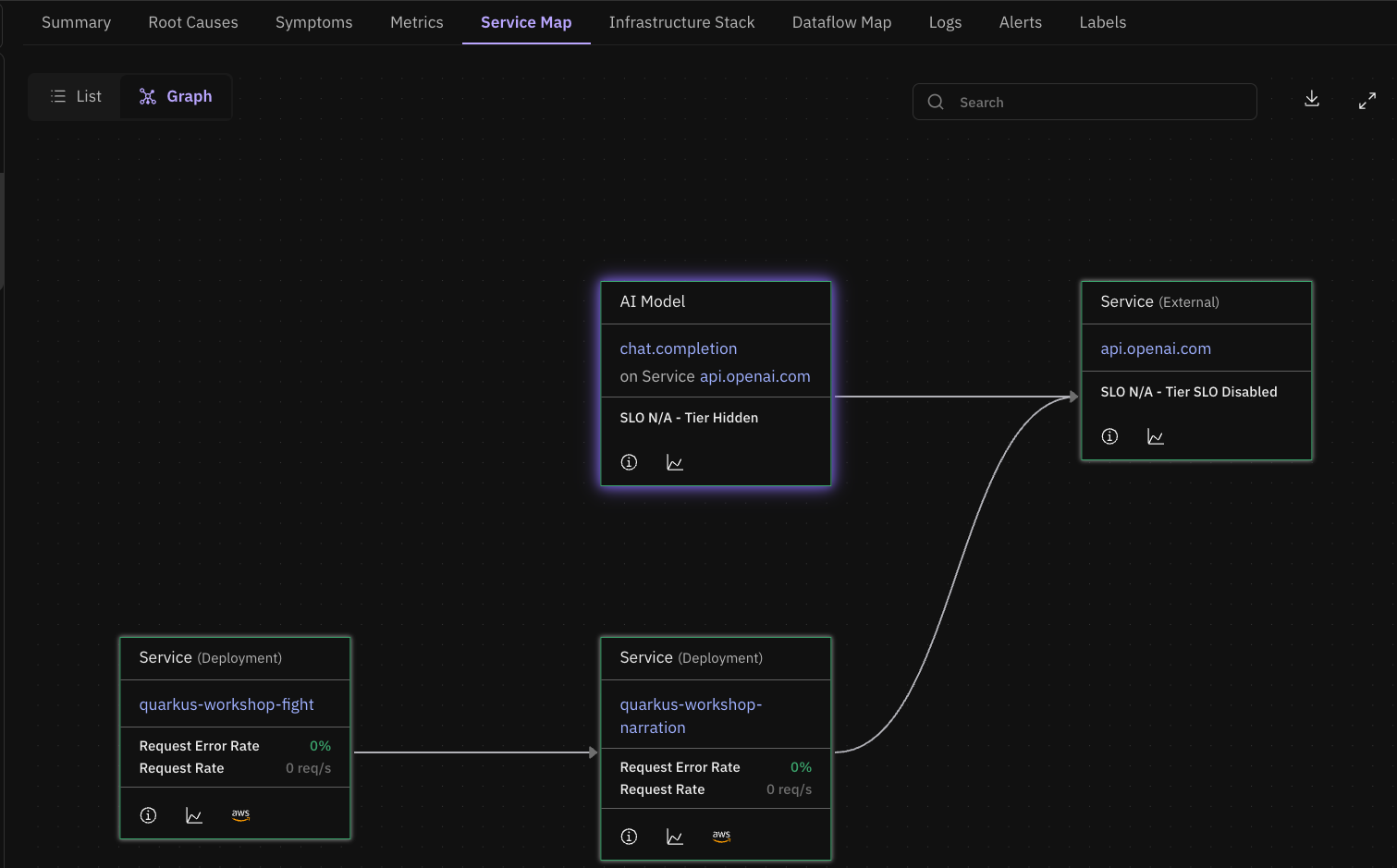
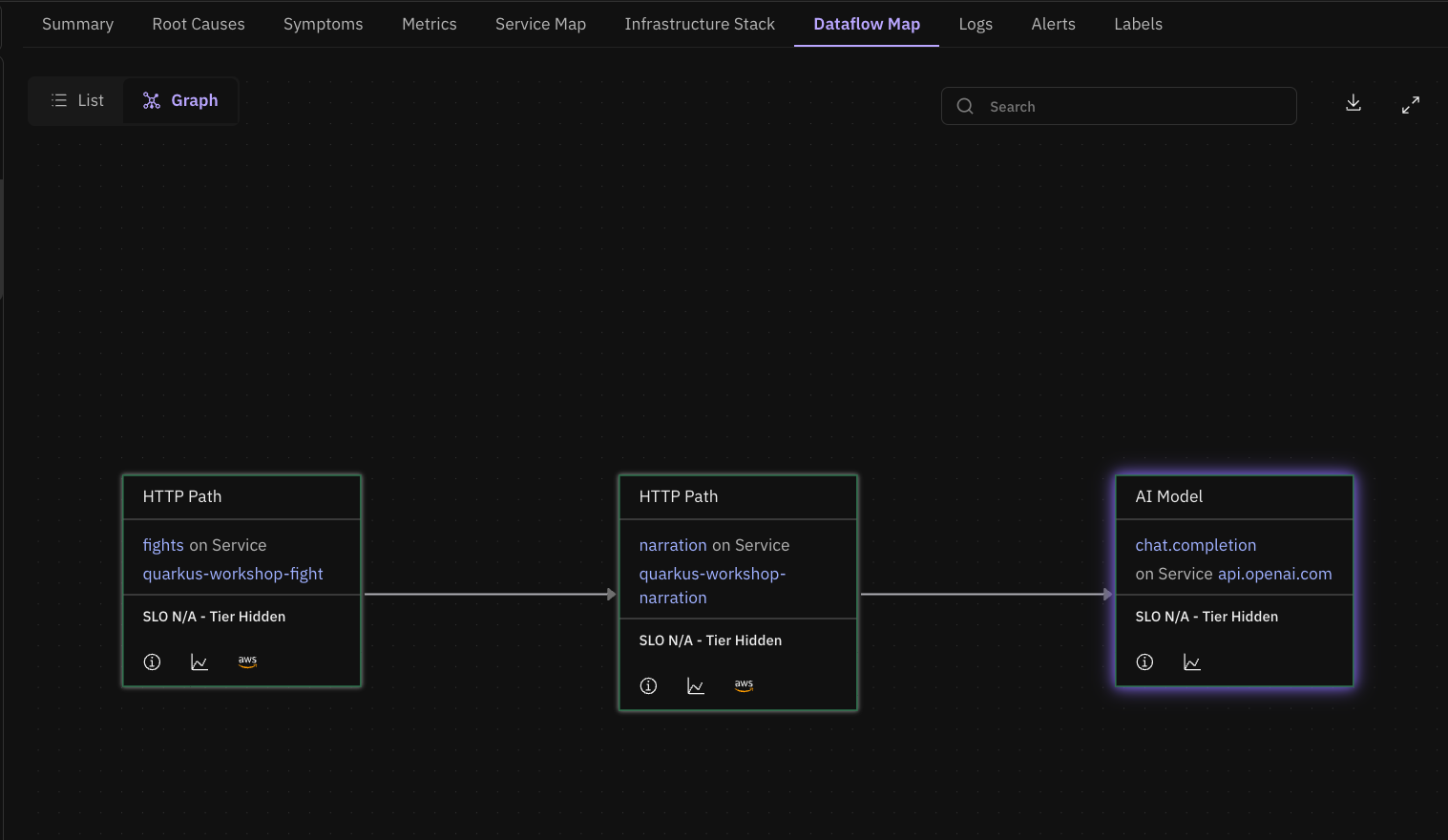
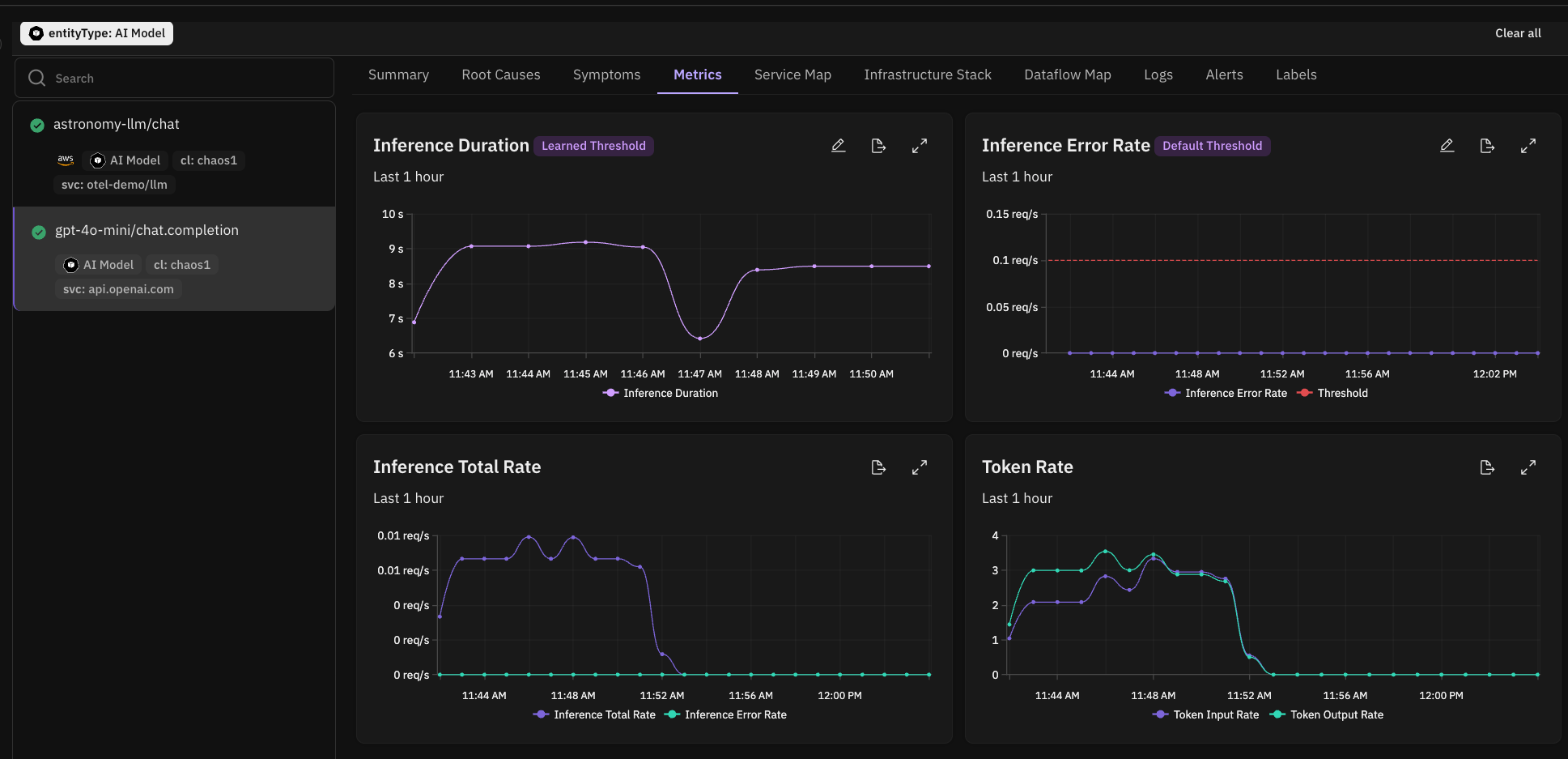
Learn more about managing Gen AI applications
MCP Server Updates
This release expands what agents can do with the Causely MCP server: a new impact-analysis tool, faster core queries, and wider environment coverage.
get_incident_impact: Replaces thetriagetool. Returns the downstream impact and blast radius of an active root cause, giving agents and on-call engineers a clearer starting point for prioritization.get_symptoms: Improved anomaly capture so agents surface a more complete picture of environment state during triage.- Performance: Improved response speed for
get_entity_healthandget_service_summary.
Ask Causely has been removed from the UI. Connecting agents such as Claude Code or Cursor directly to the Causely MCP delivers faster, more accurate answers, without a separate portal.
Learn more about the Cursor plugin integration
Minor Improvements
- Istio integration: Expanded autodiscovery support reduces manual configuration for Istio-instrumented environments.
- Metrics visibility: Entity and service views now show only metrics with active data collection, reducing noise in low-coverage environments.
- Log scanning: Improved support for larger environments with higher log volume.